Disability Insurance for Freelancers: A Complete 2025 Guide


Akil Badi is the founder and lead author at PolicyIdea. He writes insurance explainers, policy comparison guides, and consumer-focused finance content.
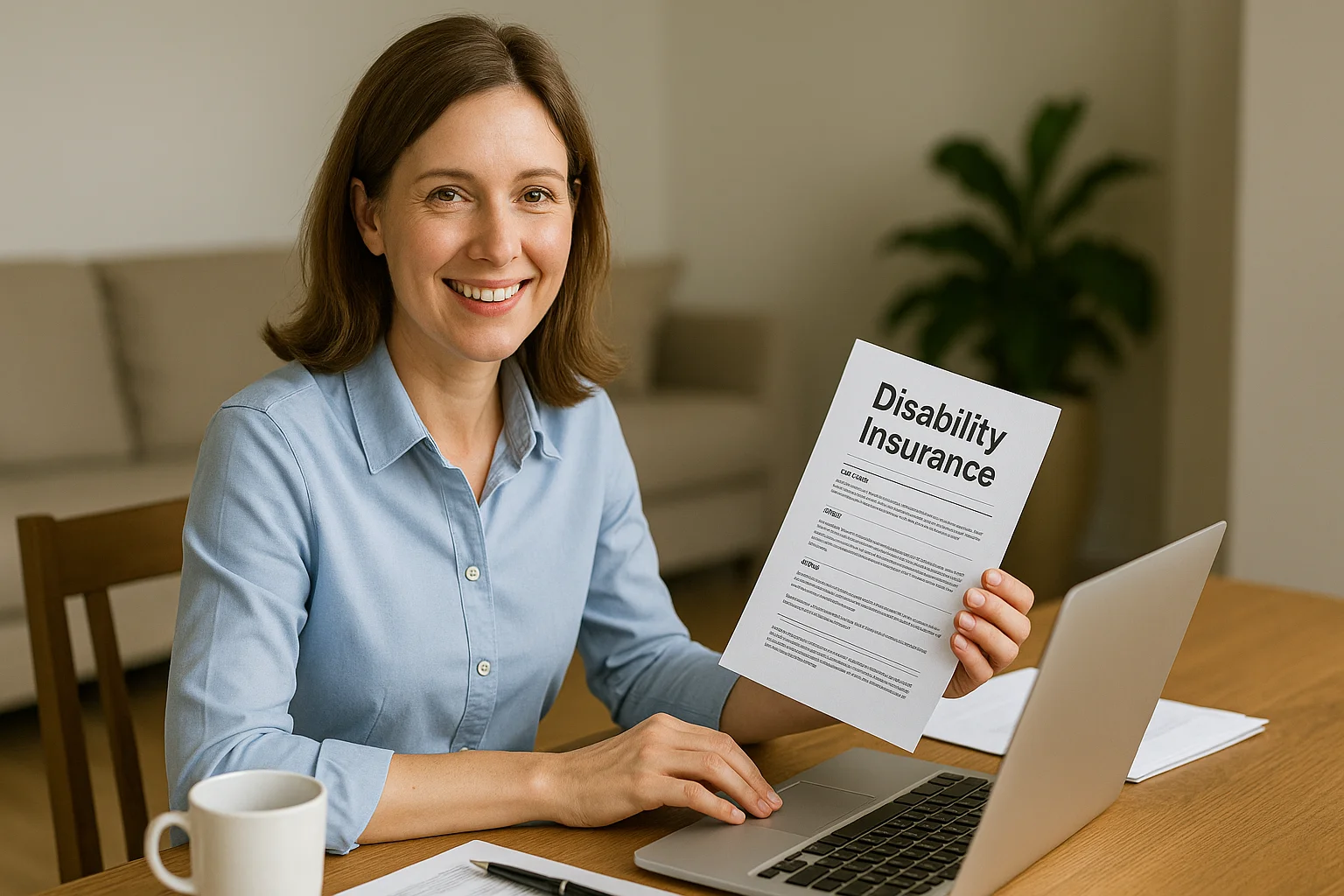
Disability insurance replaces a portion of your income if you're unable to work due to illness or injury. It acts like a financial safety net — so if you break your leg, are diagnosed with a serious condition, or become temporarily or permanently disabled, you can still pay rent, buy groceries, and keep your business alive.
It doesn’t matter how careful you are — accidents and health issues can happen to anyone. The key is whether you're prepared financially.
Unlike workers with full-time employment, freelancers often don’t have built-in benefits from an employer. So, if you’re self-employed, this safety net needs to come from you.
Most freelancers don’t have paid sick leave. If you can’t work, your income stops — plain and simple. Disability insurance fills that gap.
According to the Council for Disability Awareness, 1 in 4 working adults will experience a disability before reaching retirement. That’s 25%.
And for freelancers?
No HR department to fall back on
No paid leave policies
No unemployment support in most cases
Often irregular income
Self-managed savings — and many don’t have enough saved
Top Risks for Freelancers
Accidental injury (from gigs like photography, travel, deliveries)
Carpal tunnel or RSI (common for writers/designers/developers)
Mental health issues, burnout
Chronic illnesses (like back pain or diabetes complications)
There are generally two main types:
Covers illnesses/injuries that recover in a few weeks/months
Usually starts paying within 1–2 weeks
Coverage lasts 3 to 6 months
Good for minor surgery, pregnancy, or temporary conditions
Kicks in after 90+ days
Can cover you for 2, 5, or 10 years — even until retirement
Ideal for major injuries or chronic illness
Some policies combine both, offering a seamless transition from STD to LTD.
Let’s compare the two, side by side:
| Feature | Short-Term (STD) | Long-Term (LTD) |
|---|---|---|
| Waiting period | 7–14 days | 60–180 days |
| Benefit duration | 3 to 6 months | 2 years to retirement age |
| Average cost/month | $30–$100 | $50–$200+ |
| Payout percentage | 60%–70% of your income | 50%–70% of your income |
| Use case | Temporary conditions | Serious/long-term illness |
This depends on how much you earn — and more importantly, how much you spend.
👉 A good rule of thumb: Cover at least 60% of your average monthly income.
But here’s a better way to estimate it:
Monthly essential expenses (rent, food, utilities, debt payments)
Add insurance, phone, subscriptions, business tools
Total = your minimum survival number
Let’s say your freelance income averages ₹1,00,000/month or $5,000/month (USD). Your minimum lifestyle costs ₹60,000 or $3,000 — that’s your baseline.
💡 So, a policy that replaces ₹60,000 ($3,000) per month gives you breathing room to recover without panicking.
Also consider:
Do you have a partner who can cover some bills?
Do you have 3–6 months of emergency savings?
Are you the only income earner in the house?
If you're the sole breadwinner, go for the maximum coverage available.
Here are a few real-world disability claim stories to put things into perspective:
Age: 34
Condition: Herniated disc (back injury)
Insurance: Short-Term Policy + Long-Term Backup
Claim Duration: 4 months off work
Payout: $3,200/month × 4 = $12,800 total
Result: She could focus on recovery, no debt taken
Age: 42
Condition: Stroke
Claim Time: 90-day waiting period
Coverage: Long-term disability only
Payout: ₹80,000/month for 2 years = ₹19.2 Lakhs total
Result: Paid hospital bills, didn’t need to shut down his freelance business
Age: 29
Condition: Car accident (leg fractures)
Short-Term Disability Coverage: $2,500/month
Time Off: 3.5 months
Payout: $8,750 total
Result: Survived without canceling business subscriptions or falling behind on rent
💡 Pro Tip: Freelancers with physical jobs (photographers, event planners, delivery gig workers) face higher physical risk — they should prioritize short-term disability too.
These providers offer policies that are freelancer-friendly, easy to apply for online, and don’t require employer documentation.
| Provider | Type | Avg. Monthly Cost | Features |
|---|---|---|---|
| Breeze | STD + LTD | $35–$120 | 100% online application, fast claims |
| Guardian Life | LTD | $50–$200 | Trusted insurer, strong benefits |
| Mutual of Omaha | STD + LTD | $45–$170 | Offers partial disability coverage |
| Assurity | LTD | $30–$100 | Simple underwriting for gig workers |
| Northwestern Mutual | LTD | $100–$250 | High-rated, tailored freelancer policies |
LIC Jeevan Arogya (though not pure disability, it helps)
HDFC Ergo Disability Income Benefit Rider
Max Life Waiver of Premium Plus (with term plan)
Applying as a freelancer is easier than you think.
Here’s a simplified roadmap:
Last 2 years' income tax returns (ITR)
Last 3–6 months of bank statements
PayPal/Stripe reports (if applicable)
Project contracts (if variable income)
Think about:
What’s more likely: small injuries or long-term illness?
Can you afford a few months off?
Do you want peace of mind for years?
Use sites like Policygenius, Breeze, or contact local insurance brokers.
Some plans require no physical exam (simplified underwriting)
Others might ask for blood tests or a check-up
Check:
Elimination period (waiting time before payments start)
Monthly payout amount
Premium cost
Maximum benefit period
Renewability terms
Exclusions (e.g., pre-existing conditions)
Once approved, keep copies of your policy and set up auto-payments to avoid a lapse.
Let’s talk about how disability insurance differs between self-employed individuals (freelancers, business owners) and traditional W-2 employees.
✅ Usually covered through group plans
✅ Premiums often split with employer
✅ May include short-term and long-term coverage
✅ Easy to enroll with minimal paperwork
✅ Payments stop when employment ends
❌ No built-in coverage — you must buy it yourself
✅ Total control over policy terms
✅ Can tailor benefit periods, waiting periods, and payout amounts
✅ Proof of income required (bank statements, invoices, tax returns)
✅ Portable — you take it with you, no matter who you work with
Key Takeaway: W-2 employees may not even notice they have coverage. Freelancers must take a proactive step — but can build stronger, more flexible protection.
A lot of freelancers avoid buying disability insurance because of misunderstandings or bad assumptions. Let’s bust those myths.
Truth: 90% of disabilities are caused by illness, not accidents. Even healthy people can face long COVID, back issues, or cancer.
Truth: Most freelancers don’t have 6–12 months of emergency funds. One surgery or rehab stint can wipe you out.
Truth: Basic policies can cost less than your monthly phone bill — and protect your income for years.
Your rent, groceries, and EMIs won’t magically reduce. Choose wisely.
Many policies have a 30–90 day delay before payments begin. Plan accordingly or get a backup plan.
Even small misstatements (like hiding past injuries) can result in claim denial. Always tell the truth — insurers cross-check everything.
This one’s important: Are your disability payouts taxed?
It depends on how you pay your premiums.
| Who Pays Premium? | Are Benefits Taxed? |
|---|---|
| You (after-tax income) | ✅ Not taxed |
| Employer | ❌ Yes, benefits are taxed |
| Shared (partly employer) | ⚠️ Portion may be taxed |
Since freelancers pay premiums with after-tax income, the good news is:
👉 Your payouts are not taxed in most cases.
🧠 Bonus Tip: In India, if you buy riders with term insurance, premiums might qualify under Section 80D. Speak with a tax consultant for specifics.
Here's a real-world snapshot of disability insurance costs based on profession and plan type:
| Freelancer Type | Plan Type | Monthly Income | Benefit Amount | Waiting Period | Premium Estimate |
|---|---|---|---|---|---|
| Graphic Designer | LTD | $5,000 | $3,000 | 90 days | $95/month |
| YouTube Video Editor | STD + LTD | ₹80,000 | ₹50,000 | 30 days | ₹2,800/month |
| Web Developer (Remote) | LTD | $7,000 | $4,200 | 60 days | $125/month |
| Fitness Coach (In-Person) | STD | ₹55,000 | ₹35,000 | 14 days | ₹2,000/month |
| Gig Delivery Rider | STD | ₹40,000 | ₹30,000 | 7 days | ₹1,300/month |
Age (younger = cheaper)
Gender (women may pay more)
Location (country/state)
Occupation risk level
Health status
Smoking habits
Benefit amount and duration
Many freelancers confuse disability insurance with health or life insurance. Let’s break it down clearly:
| Insurance Type | Purpose | When It Pays |
|---|---|---|
| Health Insurance | Covers medical expenses (hospital bills, tests, meds) | During illness or injury |
| Life Insurance | Pays money to your family if you die | After death |
| Disability Insurance | Replaces your income if you can’t work due to illness/injury | While you're alive and disabled |
So:
Health insurance pays hospitals
Life insurance pays your family
Disability insurance pays you
Freelancers need all three if possible — but if you’re choosing one for income protection, disability insurance is critical.
When shopping for a policy, don’t just go for the cheapest one. Look at these important features:
This means the policy will pay if you can’t do your specific freelance job, not just any job.
Example: A wedding photographer with nerve damage in their hand may not qualify under a general plan — but would under “own-occupation” coverage.
This is how long you must wait after becoming disabled before payments begin. Shorter = more expensive. Choose what you can afford.
30 days = fast but costly
90 days = affordable balance
180+ days = cheaper, but requires savings
How long will it pay you if you remain disabled?
2 years, 5 years, or until age 65/67
The longer, the safer — especially for major illnesses
Useful if you can still work part-time, but not full-time. You receive partial income replacement.
Premium and terms can’t be changed as long as you pay on time. Avoid policies that allow the insurer to cancel or raise your premiums mid-way.
You don’t have to pay premiums while you’re receiving benefits. Saves you money when you're not earning.
Different types of freelancers face different risks — here’s what to keep in mind.
Risk of RSI (Repetitive Stress Injury), carpal tunnel
Mental health concerns: burnout, depression
Look for policies covering mental illness (not all do!)
Risk of back pain, eye strain
Look for own-occupation coverage
Consider short-term plans for project-based interruptions
High risk of physical accidents
Choose a plan with short waiting period
Look for accident riders for quick payouts
Some companies like DoorDash offer low-cost group options
Income may be irregular, but physical health is essential
Use bank statements and contracts to verify income
Consider flexible policies that allow for variable income proof
Q1: Can I get disability insurance if I already have a health condition?
A: Yes, but it may cost more. Some insurers exclude pre-existing conditions or offer limited plans. Always disclose your history truthfully.
Q2: Do I need a medical exam?
A: Not always. Many freelancers qualify for “simplified issue” plans that skip the physical exam if you're under 50 and healthy.
Q3: Can I cancel later if I get a job with benefits?
A: Yes, most plans are month-to-month or yearly. Just ensure you understand refund rules before canceling mid-term.
Q4: What happens if I move to a new country?
A: Some global providers (like SafetyWing or digital nomad-focused plans) offer international disability coverage — but most U.S./India plans are regional.
Q5: Can I buy disability insurance online?
A: Absolutely. Breeze, Policygenius, Assurity, and several others let freelancers apply and get approved online, often in under 30 minutes.
Disability insurance isn’t just a policy — it’s income protection, mental peace, and business continuity all rolled into one.
Freelancers often hustle hard, but forget to protect their most valuable asset — their ability to work.
Here’s what I recommend:
✅ Start with a basic long-term policy that covers 60% of your income
✅ Choose a reputable provider with good reviews
✅ Read the fine print — check waiting periods and benefit periods
✅ Don't wait for a health scare to make the decision
✅ Set up autopay and make a reminder to review annually
Your future self will thank you.
Last updated: March 31, 2026
Reviewed by: Akil Badi
Apr 21, 2026
Comments are moderated to reduce spam and off-topic submissions.
No approved comments yet. New submissions appear only after moderation.





Community Feedback