Final Expense Insurance Guide 2025 | Costs, Benefits & Best Providers



Akil Badi is the founder and lead author at PolicyIdea. He writes insurance explainers, policy comparison guides, and consumer-focused finance content.
Contractor insurance guide
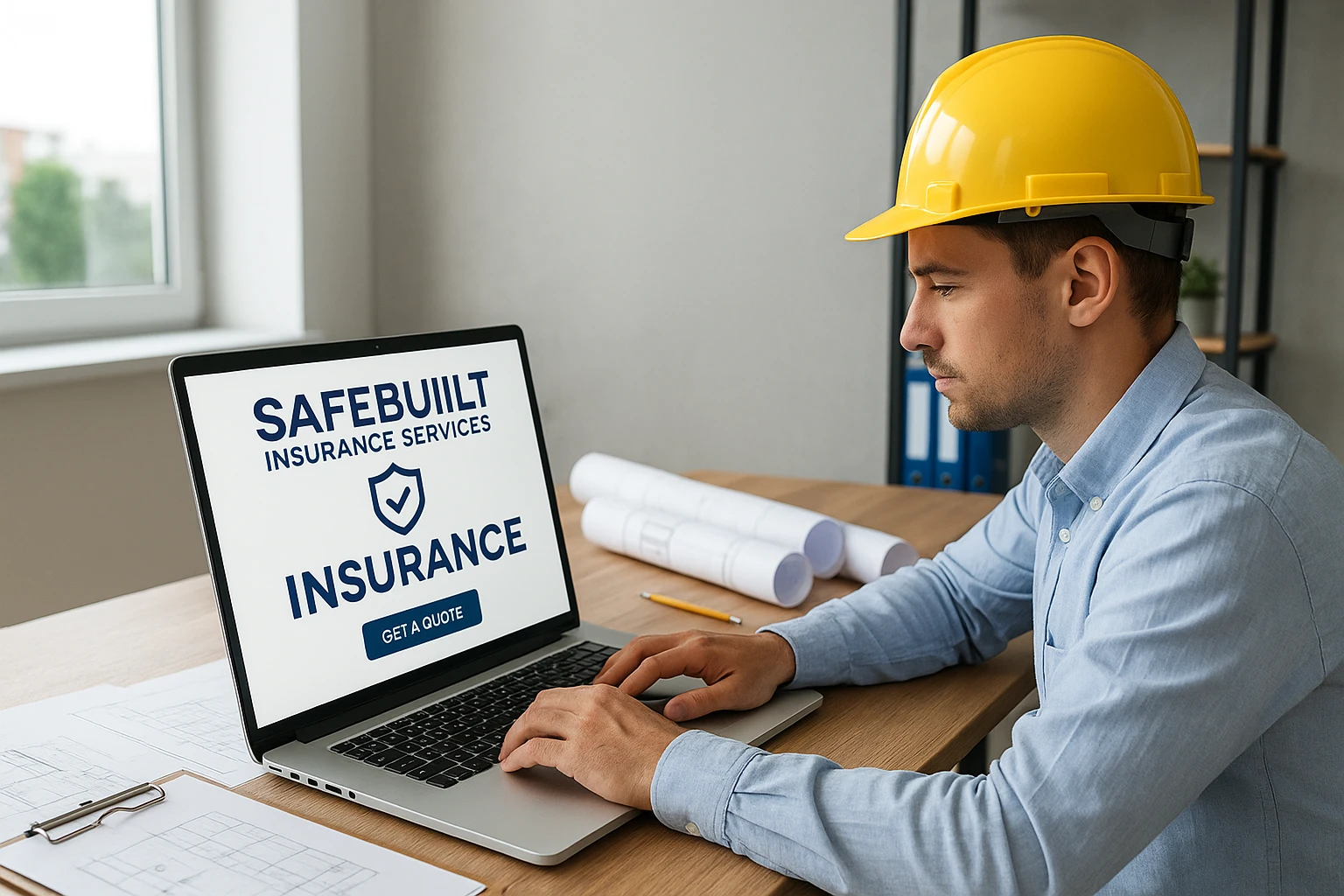
If you searched for Safebuilt Insurance Services, the most important thing to know is that the older SIS / Safebuilt brand now points to the current Integrated Specialty Coverages (ISC) platform. That matters because contractors are often not comparing one single policy here. They are usually comparing a construction-focused program manager that offers multiple insurance options, underwriting paths, and broker tools.
This guide is written for business owners, independent contractors, and brokers who want a practical overview before requesting quotes. It explains what the Safebuilt name refers to today, what types of construction coverage appear to be available through ISC, who the platform may fit best, and what questions you should ask before you bind any policy.
For many readers, the right next step is not “buy whatever Safebuilt sells.” The smarter move is to identify the exact risk you need to solve first: general liability, builder’s risk, tools and equipment, excess liability, pollution liability, or workers’ compensation. Once that is clear, you can compare the relevant program, policy form, limits, and broker service.
In plain English: the old brand name may still appear in search results, but your buying decision should focus on coverage fit, contract requirements, and how quickly you need proof of insurance.
The Safebuilt name still appears in older broker resources, press releases, and search listings because it was an established construction-insurance brand for years. If you are confused by seeing both Safebuilt, SIS, and ISC, you are not alone.
The practical takeaway is simple: treat “Safebuilt Insurance Services” as a legacy search term. When you evaluate current options, look at the current ISC program page, the broker workflow, and the actual policy terms offered for your trade. That keeps you from relying on outdated marketing language or stale third-party summaries.
Use the guide below to match the type of risk you are trying to insure. These panels summarize the categories most relevant to contractors searching for the older Safebuilt name.
Current ISC materials describe several contractor GL options rather than a single generic program. That is helpful because a new venture, a small artisan trade, and a larger general contractor often need very different policy structures. The broad idea is that you can match the contractor’s size, job type, and contractual requirements to a more suitable form.
For a contractor, GL is usually where proof-of-insurance pressure shows up first. Clients may ask for certificates fast. Property managers may require additional insured wording. Public or commercial jobs may demand specific limits, completed-operations language, or waiver wording. If your policy cannot satisfy those requirements, the “cheap quote” you found may not actually help you win the job.
Contractors often mix up builder’s risk with general liability or ordinary commercial property insurance. They solve different problems. Builder’s risk is generally meant for the construction phase or renovation period. It focuses on the project, materials, and certain job-related property exposures while the work is in progress.
This matters for contractors doing remodels, ground-up construction, or time-sensitive work with lenders, owners, or upstream contracts. A builder’s risk policy can be especially important when the project value is high, materials are staged on site, or delays from theft, fire, vandalism, weather, or covered soft-cost exposures would be financially painful.
Many contractors first notice the need for inland marine or tools-and-equipment coverage after a theft, trailer break-in, or damage event. By then, the lesson is expensive. If your daily operation depends on power tools, generators, skid-steers, rented equipment, leased equipment, or scheduled machinery, ordinary property coverage may not solve the moving-parts problem.
A better approach is to think through where your equipment lives: in transit, at temporary job sites, in storage, or rented from others. Coverage choices can then be matched to how your business actually works instead of how a generic application assumes it works.
A lot of contractors do not realize how quickly pollution or catastrophic-loss exposure can outgrow a basic liability setup. Standard GL commonly excludes many pollution-related events. Likewise, a low primary limit can look fine on paper until a severe injury claim, multi-party property loss, or large contractual requirement exposes the gap.
That is why it makes sense to ask whether a contractor operation needs more than “just GL.” Depending on the trade, site conditions, and contract language, environmental coverage or excess liability may be what keeps a profitable year from turning into a balance-sheet crisis.
One of the easiest mistakes on commercial insurance websites is assuming every business owner can click a single button, pay online, and finish the process in five minutes. The current ISC workflow looks much more producer-oriented. That means many contractors will reach the platform through a licensed broker, agency relationship, or appointed producer rather than through a simple retail checkout page.
List your trade, annual revenue, subcontractor percentage, state footprint, equipment exposure, and the contracts you need to satisfy. That information matters more than legacy brand recognition.
General liability, builder’s risk, tools and equipment, environmental, and workers’ compensation all solve different problems. Buying the wrong type of policy quickly turns into an expensive surprise.
For contractors, operational speed matters. A policy that looks acceptable but causes delays in certificates, additional insured requests, or policy changes can still cost you work.
Commercial insurance decisions are rarely won by price alone. The real test is whether the policy supports the jobs you are bidding today and the projects you want next quarter.
Businesses that need coverage fast, but still need a policy matched to their trade, often benefit from a program-driven platform with multiple construction options.
If owners, GCs, landlords, or project managers constantly ask for COIs and endorsements, digital workflow speed can matter almost as much as the premium itself.
The value rises when you need more than one policy category, such as GL plus builder’s risk, equipment, environmental, or excess liability.
Some contractors prefer a simple retail quote flow with minimal broker involvement. If that is your priority, compare whether your preferred provider offers the same ease for your class of business.
Very specialized trades, large wrap-up environments, challenging loss history, or unusual contract wording may require a more bespoke wholesale or specialty-market solution.
Copy it and keep it with your project paperwork, certificate requests, or renewal file.
Price is visible. Wording is where the real value lives. Compare occurrence vs. claims-made structure, additional insured terms, completed operations, and class-specific exclusions.
If you regularly need same-day certificates or contract updates, service speed can have direct revenue impact. Slow service can cost jobs even when the premium looks attractive.
A policy that fits a solo operator may not fit a firm adding crews, equipment, or larger jobs. Ask what the upgrade path looks like before your growth creates a coverage mismatch.
Searching for Safebuilt Insurance Services today is really a search for the current ISC construction insurance ecosystem. That is not a bad thing, but it changes how you should evaluate the option. Instead of treating it as a single branded product, treat it as a broker-first construction platform with several possible policy paths.
If your business needs contractor-focused coverage, digital quoting workflow, and access to multiple construction program types, it may be worth considering. But the right decision still comes down to whether the policy form, endorsements, limits, and service model actually match your trade and your contracts. A thoughtful comparison will help you far more than a flashy marketing headline.
The older Safebuilt / SIS name still appears online, but current official materials describe that brand as having been rebranded under ISC. For most readers, that means the legacy term is still useful for search, while the current program information lives under the ISC name.
The current workflow appears heavily broker- and producer-oriented. Many contractors will likely access these programs through a licensed agent or appointed producer rather than through a simple retail checkout page. Ask your broker what the application and certificate process looks like for your state and trade.
Current materials point to general liability, builder’s risk, tools and equipment / inland marine, excess liability, environmental coverage, and access to workers’ compensation options for construction accounts. Specific availability depends on class, state, and underwriting appetite.
No. General liability focuses on third-party injury and property-damage claims tied to your operations. Builder’s risk is generally designed for the project under construction or renovation and the property-related exposures during that phase. They often complement each other rather than replace each other.
Compare the exact coverage type you need, the policy form, limits, endorsements, exclusions, and certificate service speed. Commercial insurance is not a commodity, especially in construction. The cheapest quote is not automatically the most useful quote.
Last updated: March 31, 2026
Reviewed by: Akil Badi
Comments are moderated to reduce spam and off-topic submissions.
No approved comments yet. New submissions appear only after moderation.




![Find the Best Home Insurance Quotes in Massachusetts [2025 Guide]](https://policyidea.com/storage/uploads/1746447347.webp)

Community Feedback