Direct Primary vs Legal Liability: Understanding the Differences


Akil Badi is the founder and lead author at PolicyIdea. He writes insurance explainers, policy comparison guides, and consumer-focused finance content.
Insurance can be a complex topic, especially when it comes to the types of liability coverage available. Two terms that often confuse policyholders are direct primary coverage and legal liability coverage. These concepts may sound technical, but understanding them is critical when choosing the right protection for your property, business, or personal life.
Whether you're a homeowner, a car owner, or a business manager, you’ll encounter these terms in your policy documents. This blog will walk you through each term, explain their differences with real-world examples, and help you make informed decisions.
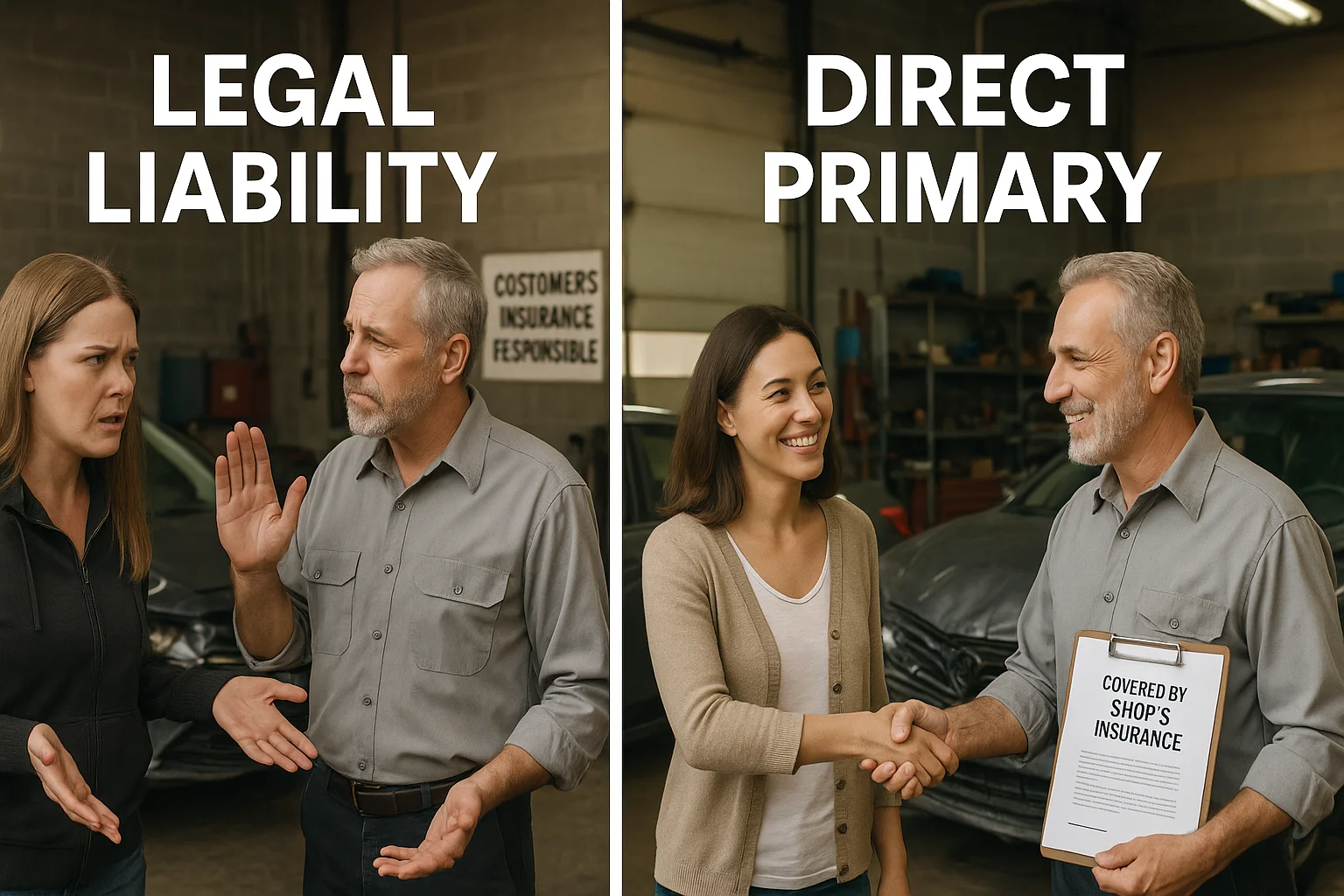
Direct primary coverage means that your insurance will cover a loss or damage without waiting to determine if someone else is legally liable. This type of insurance kicks in regardless of who is at fault or if another party should be paying instead.
For example, if you're a landlord and a tenant damages a shared facility, your direct primary policy may allow you to make repairs without needing to wait for the tenant's insurance to kick in. Your insurance pays first, then possibly seeks reimbursement later through a process called subrogation.
This is extremely helpful in urgent scenarios when delays can cause further damage or financial disruption.
Legal liability coverage, unlike direct primary, kicks in only when the insured party is found legally responsible for a loss. This usually requires proof of negligence or fault before the insurer agrees to cover the damages.
Say you're driving and accidentally rear-end another vehicle. Your legal liability insurance would only activate after it’s determined you were at fault. It then covers the other party’s repairs and medical expenses, depending on your policy limits.
This type of coverage often includes defense costs, court fees, and even settlements—making it essential for scenarios where lawsuits may arise.
| Feature | Direct Primary | Legal Liability |
|---|---|---|
| When It Pays | Immediately, regardless of fault | Only when the insured is legally at fault |
| Speed of Claims | Faster | Slower (requires investigation) |
| Fault Requirement | Not required | Required |
| Ideal For | Property owners, urgent situations | Drivers, businesses, liability defense |
| Cost | Often higher | Can be more affordable |
In short, direct primary ensures speed and convenience, while legal liability ensures legal protection and cost containment.
Example 1: Property Damage
A hotel experiences water damage in a guest’s room. With direct primary coverage, the hotel’s insurance pays for the repairs immediately. With legal liability, they’d need to prove whether the guest or a maintenance error caused it before making a claim.
Example 2: Auto Insurance
A rideshare driver hits a pole. Direct primary insurance (if applicable through the company) pays for vehicle damage quickly. Legal liability would only apply if another party—say, a pedestrian or third-party vehicle—was involved and the driver was found at fault.
Example 3: Business Coverage
A customer slips in a store. With legal liability coverage, the insurer will only pay after determining the store was negligent (e.g., wet floor with no warning sign). If the store had a direct primary agreement, the medical costs might be paid upfront, followed by any fault determination later.
Choosing between direct primary and legal liability coverage depends on your specific needs. Here are a few scenarios to help you decide:
Ultimately, many organizations and individuals carry both types to ensure they’re protected in all situations.
For business owners, understanding these coverage types is critical. Many commercial general liability (CGL) policies include legal liability clauses but not direct primary coverage unless explicitly added.
Let’s say you're a contractor installing a new HVAC system in a client’s office. If damage occurs during installation:
Some clients may even require direct primary endorsements before allowing contractors to start work, especially in high-value projects or government contracts.
Individuals face liability risks every day—from dog bites to kitchen fires spreading to neighboring apartments. Your homeowner’s or renter’s policy might include liability coverage, but whether it’s direct primary or legal liability makes a big difference.
Legal Liability Example: Your guest trips over a carpet corner. If your policy only covers legal liability, the insurer will investigate whether you're legally responsible before paying medical expenses.
Direct Primary Example: Your dog damages a neighbor’s fence. With direct primary coverage, the claim is handled quickly, regardless of whether you were legally negligent in restraining your pet.
Having the right type of liability coverage can save you time, money, and legal trouble.
When choosing between direct primary and legal liability coverage, cost plays a major role. While both types protect against financial loss, they do so at different price points due to their structure.
| Coverage Type | Average Annual Premium | Factors That Influence Cost |
|---|---|---|
| Direct Primary | $800–$1,500 | Immediate coverage, higher risk for insurer, no fault requirement |
| Legal Liability | $400–$1,000 | Requires legal fault, longer claim process, lower payout risk |
Premiums depend on several factors including the type of asset (car, home, business), claim history, geographic location, and whether you're bundling policies.
Understanding a few legal and insurance-specific terms can help you better interpret your policy and make smarter decisions. Here's a glossary of key terms:
When evaluating your insurance policy, these terms will often appear in the fine print or in discussions with underwriters or adjusters.
Even with the best insurance policy in hand, the policyholder has obligations. Failure to meet these responsibilities can delay a claim—or even void coverage.
Good policyholders maintain open communication with their insurer and document everything. It ensures smoother, faster claims—especially with direct primary coverage.
Property insurance is one of the most common areas where the distinction between direct primary and legal liability is critical. Property owners, landlords, and tenants often encounter both in rental agreements and landlord-tenant policies.
Scenario: A tenant accidentally sets off the building’s sprinkler system.
In many commercial leases, landlords require tenants to carry direct primary coverage for these reasons—to avoid waiting for legal fault determinations that delay repairs.
Auto insurance is heavily regulated, but many states allow or require different types of liability structures. Here’s how direct primary and legal liability come into play:
For example, in a no-fault state like Florida or Michigan, your insurer pays for your injuries under direct primary-like provisions—while legal liability coverage is still needed for damage you cause to others.
Fleet owners and rideshare platforms often use direct primary insurance to ensure their vehicles and drivers are covered immediately after an accident, regardless of liability.
The process of filing a claim under either type of insurance can vary drastically. Here’s a simplified breakdown of how each works:
In urgent or high-risk situations, the delay of legal liability investigation can be costly, which is why many policyholders appreciate the speed and ease of direct primary coverage.
Insurance professionals, legal advisors, and risk managers often weigh in on the pros and cons of direct primary vs legal liability coverage. Here's what some experts recommend:
“Direct primary coverage is ideal in time-sensitive situations where resolution speed is more valuable than establishing fault. It provides peace of mind to businesses that can’t afford downtime.” — Jennifer Lowe, Risk Consultant, Denver, CO
“Legal liability insurance remains the backbone of civil defense coverage. It’s crucial for individuals and businesses that may face claims rooted in negligence.” — Robert Tang, Insurance Defense Attorney, New York, NY
Most insurance advisors agree: a hybrid approach—carrying both types of coverage when possible—offers the broadest protection.
There are plenty of myths surrounding these coverage types. Let’s bust a few of them:
Clarifying these misunderstandings can prevent policyholders from being underinsured or overpaying for coverage they don't fully need.
Several court rulings in the U.S. have shaped how these coverage types are enforced. Here are a few notable examples:
Case 1: Travelers Indemnity v. Liberty Mutual (2005) In this case, both insurers claimed they were secondary to each other. The court ruled that Travelers had direct primary responsibility due to policy wording, setting a precedent for interpreting “other insurance” clauses.
Case 2: ABC Realty v. John Doe Contractor (2012) A real estate company sued a subcontractor over a fire damage incident. The contractor’s legal liability insurer denied the claim, citing lack of negligence. The court upheld the decision, emphasizing that legal liability requires proof of fault—not just presence at the scene.
Case 3: Smith v. Nationwide (2019) Nationwide paid under a direct primary policy for storm damage to a rental property, even though the tenant’s actions may have contributed. The court affirmed that under direct primary, payment is not contingent on determining fault first.
These cases illustrate the importance of policy language and underline the practical differences in how direct primary and legal liability are handled during disputes.
The insurance landscape is rapidly evolving, and the demand for direct primary coverage is growing, especially in high-risk, fast-paced sectors like construction, healthcare, and logistics.
As more companies adopt real-time data monitoring (IoT, telematics), insurers are better equipped to assess claims instantly—further reducing reliance on lengthy fault investigations.
Experts predict that hybrid policies blending both coverage types will become the norm. Here's what to expect:
Insurance is becoming more responsive, faster, and more transparent. Consumers and businesses alike will benefit from smarter coverage options that suit their speed, cost, and risk profile preferences.
Understanding the differences between direct primary and legal liability coverage is more than just an academic exercise—it's a strategic decision that affects how quickly you’re protected, how claims are handled, and how much peace of mind you can afford.
If you prioritize speed, certainty, and simplicity: Direct primary might be the right choice. If you're focused on cost control, legal defense, and fault-based protection: Legal liability is essential.
Many professionals and businesses opt for both when possible—ensuring they’re covered whether they cause damage or need to act fast in uncertain situations.
Talk to an insurance advisor about how your policy is written. Don’t wait until a claim hits your inbox to find out whether you’re protected up front or only after proving liability.
Remember: The best insurance is the one that meets your unique needs—at the right time, for the right price, with the least stress.
Last updated: March 30, 2026
Reviewed by: Akil Badi
Comments are moderated to reduce spam and off-topic submissions.
No approved comments yet. New submissions appear only after moderation.




![Find the Best Home Insurance Quotes in Massachusetts [2025 Guide]](https://policyidea.com/storage/uploads/1746447347.webp)



Community Feedback